F1's biggest rules reset in a decade arrives for 2026 — what actually changed
20 Feb 2026
Formula 1 enters 2026 with its most sweeping regulation change since the turbo-hybrid era began: near-50/50 hybrid power units, full-time active aerodynamics, and smaller, lighter cars — a reset that immediately reshuffled the competitive order once racing began.
Formula 1's 2026 season arrives on the back of the sport's largest rules overhaul in more than a decade, covering the power units, the aerodynamics and the physical dimensions of the cars, according to Formula1.com's own regulations guide. The changes were finalised through pre-season testing in Bahrain in February, ahead of the season-opening Australian Grand Prix in March.
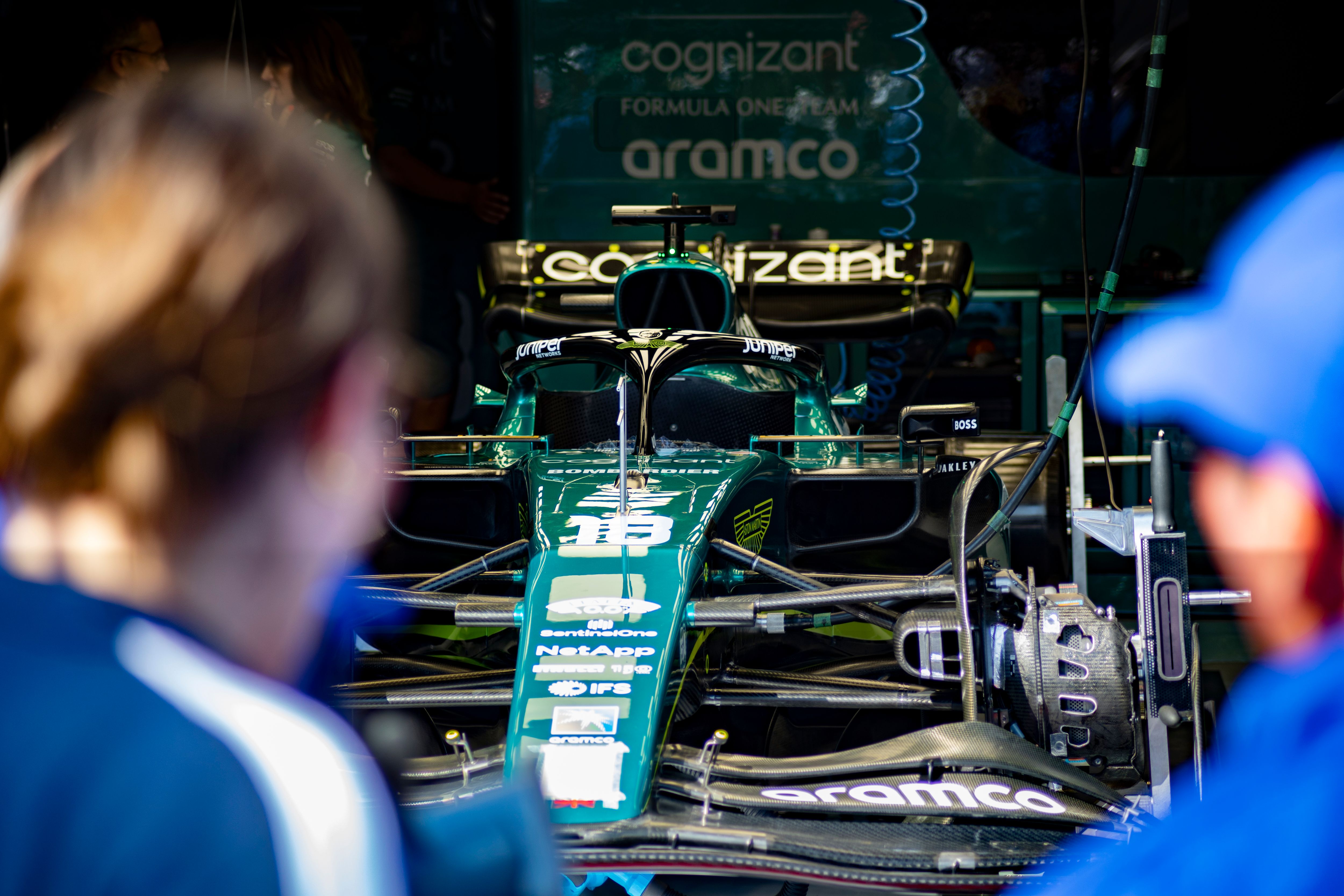
The headline change is to the power unit. The old MGU-H has been removed, and the balance of power shifts to a near-even split between the internal combustion engine and the electrical motor, the MGU-K — now nearly three times as powerful as before, delivering 350kW to the rear wheels versus 120kW previously. Drivers gain a manual 'Boost Button' to deploy stored energy on demand, while most energy recovery is automated by the car's control unit. Five manufacturers now supply power units: Mercedes, Ferrari, Honda (returning as a full manufacturer with Aston Martin), a new Red Bull-Ford partnership, and Audi, which has taken over the former Sauber team as a full works entry.
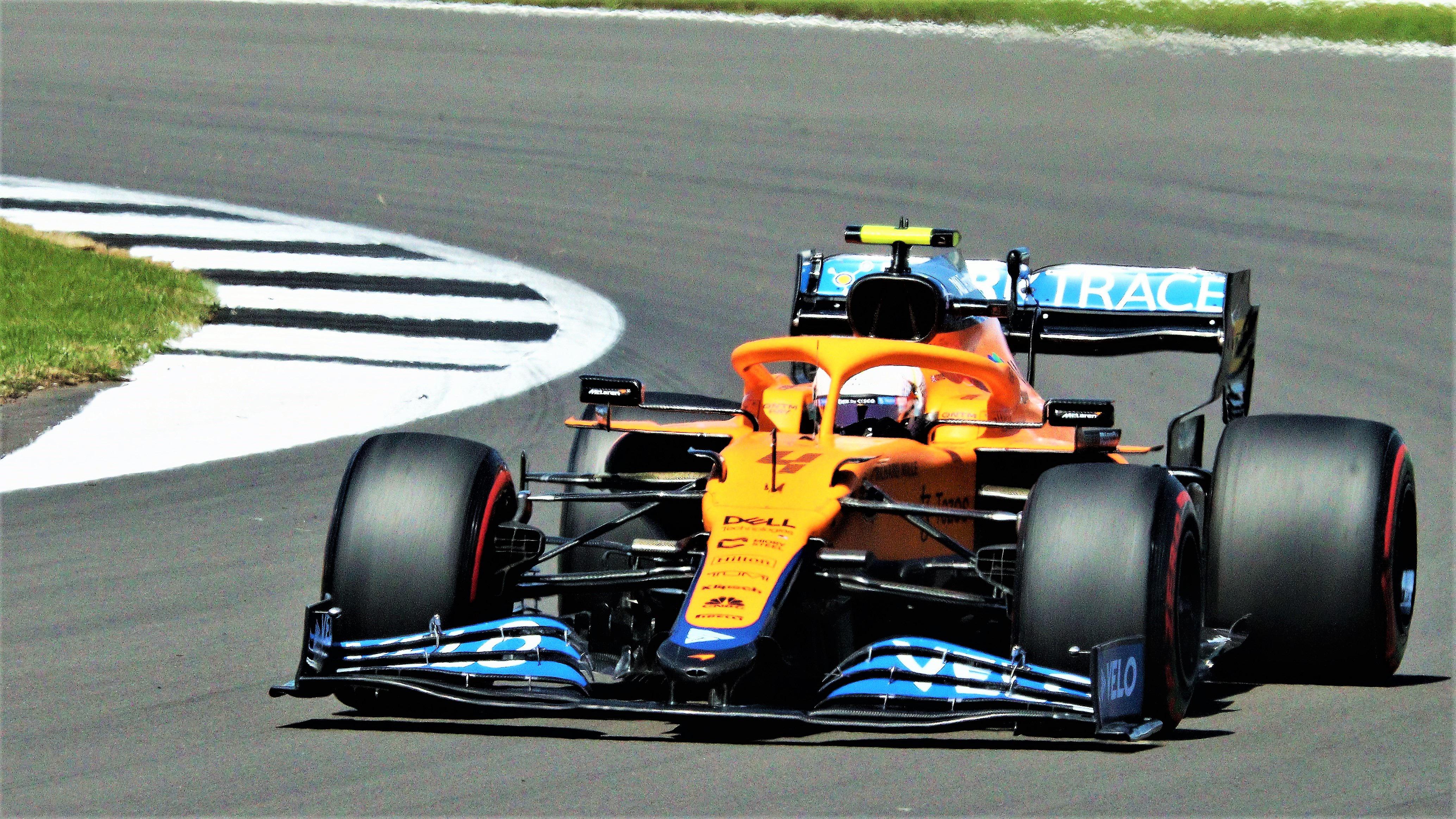
Aerodynamically, the long-standing Drag Reduction System has been retired in favour of full-time 'active aero' — front and rear wings that physically change shape between a low-drag 'straight mode' and a high-downforce 'corner mode'. The cars themselves are smaller: maximum wheelbase cut by 200mm to 3.4 metres, floor width reduced by 100mm to 1.9 metres, and a lower minimum weight target of roughly 768kg, down from 798kg.
Not every driver has welcomed the change. Max Verstappen, whose Red Bull team endorsed the new engine formula years ago, described the emphasis on energy management as 'anti-racing' ahead of the season, arguing the sport's focus should be on outright pace rather than charge levels. Mercedes team principal Toto Wolff had earlier pushed for equally sweeping chassis changes to accompany the new engines, warning that without them the 2026 cars would simply be too slow.
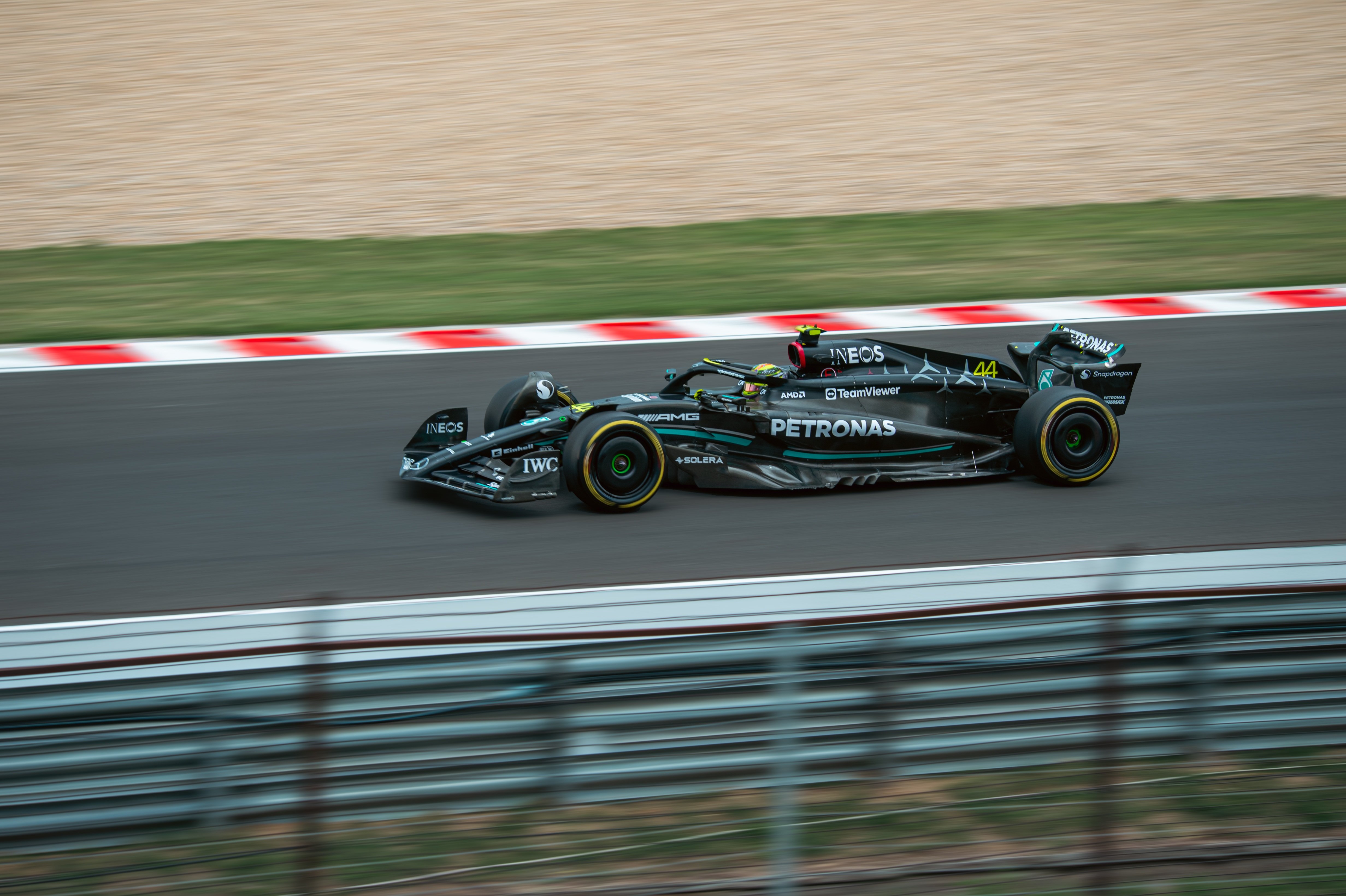
History suggested a reset of this scale would reshuffle the grid, and it did: Mercedes, which had spent recent seasons in the midfield-to-front mix, won each of the first three races of 2026, while more established front-runners adjusted more slowly. The scale of the change was also, by the sport's own account, a success in one respect regulators had targeted directly — attracting new manufacturers, with Audi and a new Cadillac entry joining the grid as F1's tenth and eleventh constructors.